
Non-Combustible Thermal Break Strip
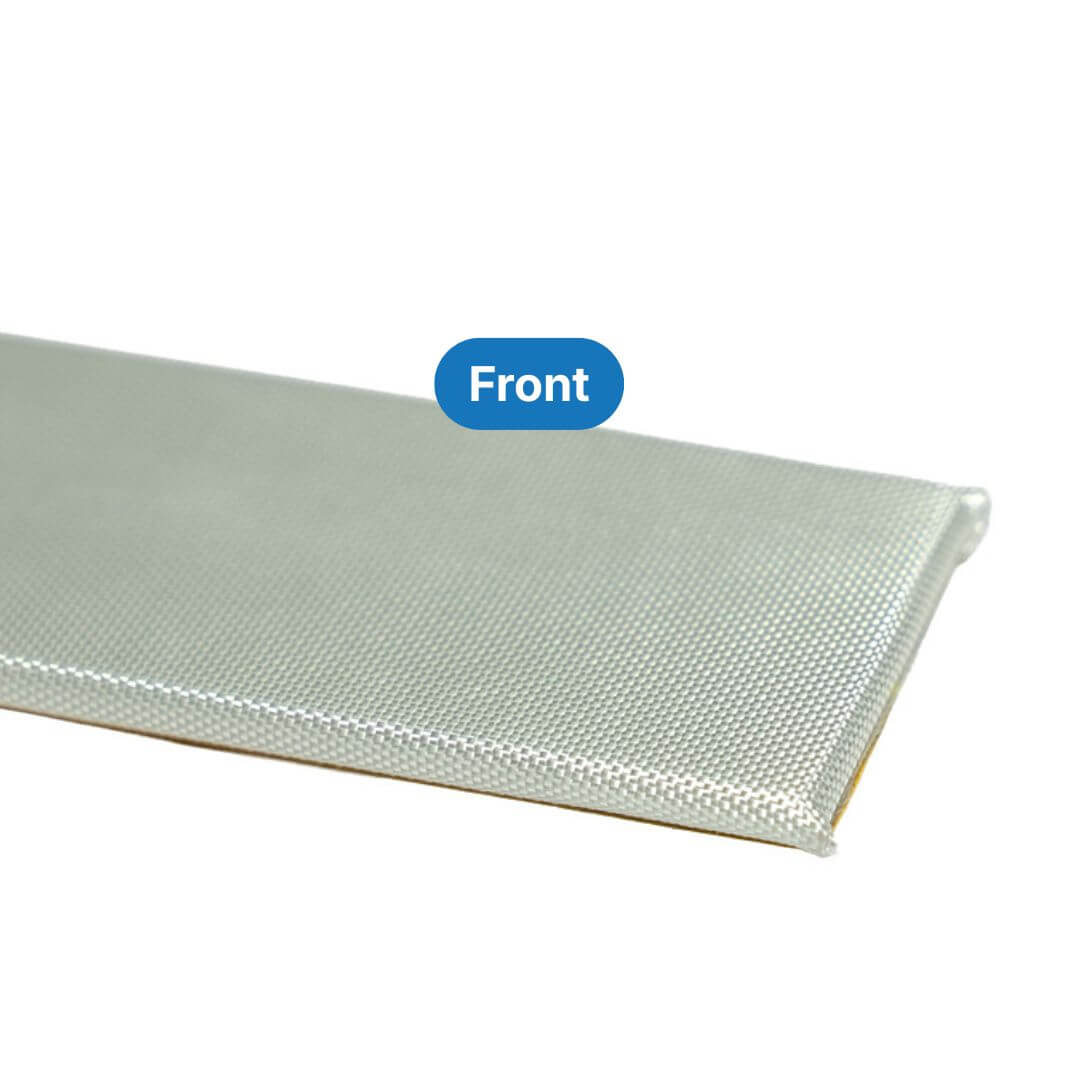
ATI's non-combustible thermal break range is designed for facade and wall applications where non-combustibility is a requirement under the NCC. For apartments, commercial, education and healthcare buildings, anything that sits on the outside of the building must not contribute to fire.The ATI Non-Combustible Thermal Break Strip maintains thermal separation at the framing interface while meeting those provisions, with the same installation simplicity as the rest of the ATI range.
- Classified non-combustible under AS 1530.1:1994, tested and classified by SGS with evidence of suitability under NCC 2022 Clause A5(a).
- Outperforms the NCC minimum thermal break requirement, achieving R0.27 (tested to AS/NZS 4859.1), 35 per cent above the R0.2 minimum under NCC Part 13.2.5
- Suitable for all BAL (Bushfire Attack Level) ratings without additional assessment.
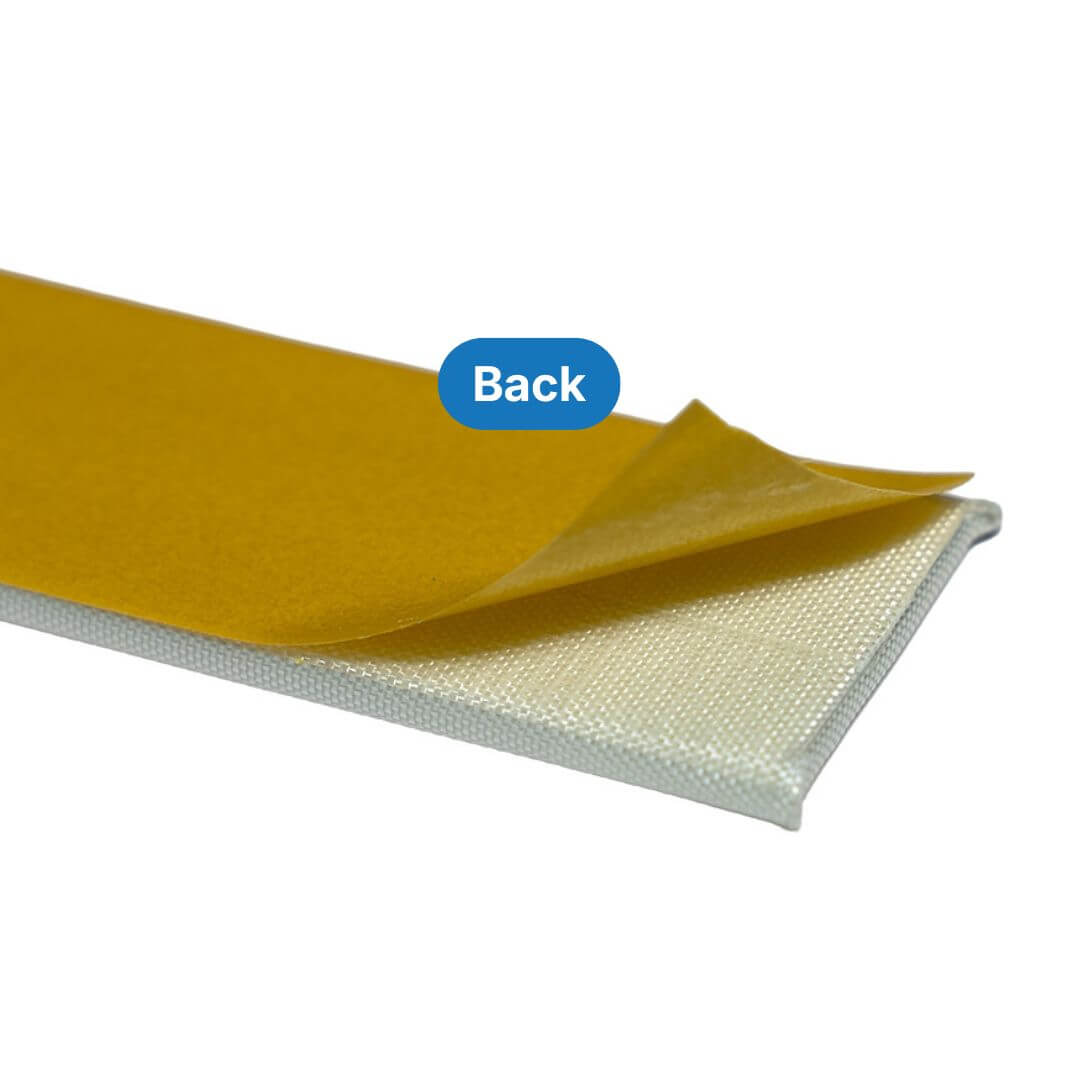
- Self-adhesive backing with UV-stable fibre-reinforced acrylic adhesive, no power tools, no extra fixings.
- Hydrophobic composition resists moisture absorption, mould and mildew.
- Available in 1400 x 45 x 6mm as standard. Custom lengths, thicknesses and widths available on application, subject to MOQ.

Technical information

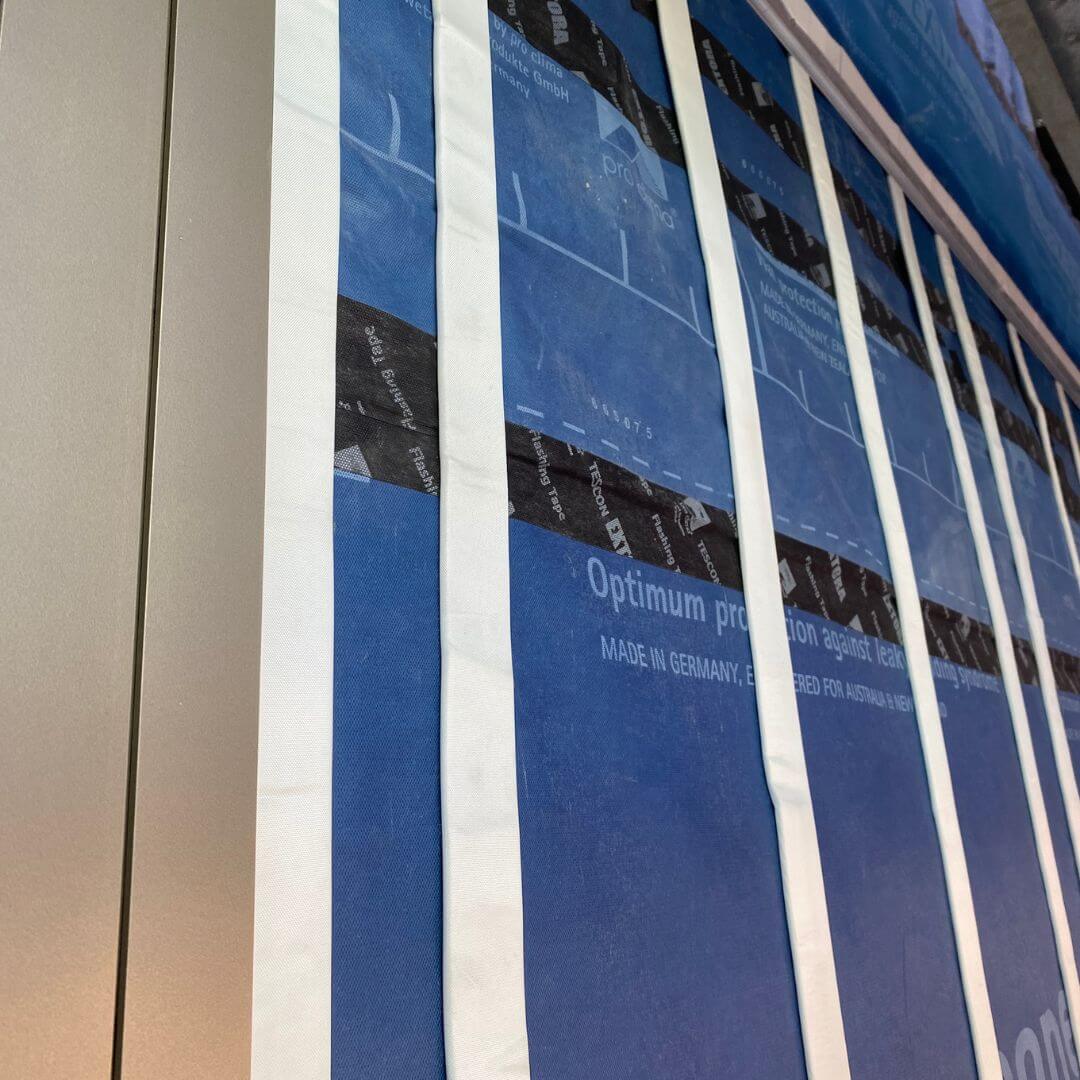
All ATI wall products feature self-adhesive backing that holds the strip in place over the wall wrap or membrane while cladding is fixed through into framing as normal. No power tools, no extra fixings, straightforward enough for a single installer.
NCC Part 13.2.5 requires a minimum R0.2 thermal break between steel framing and external cladding in steel-framed construction. Independent test data referenced to AS/NZS 4859.1 is available to support compliance documentation and Energy Efficiency Aspect certification.
Projects requiring non-combustible facade materials typically involve fire engineers and building certifiers who need specific tested evidence to support their assessments. ATI provides full compliance documentation referenced to AS 1530.1:1994 and NCC 2022 Clause A5(a), along with a Specifier Pack available on request. This documentation is designed to hold up through the certification process without requiring additional back-and-forth.
The ATI Non-Combustible Thermal Break Strip is competitively priced for the level of performance and compliance documentation included. Full test reports, classification evidence and compliance documentation come as standard, so there is no trade-off between cost and confidence.
The ATI Non-Combustible Thermal Break Strip is available in 1400 x 45 x 6mm as standard. Custom lengths, thicknesses and widths are available on application, subject to MOQ. Contact ATI to discuss project-specific requirements.
The non-combustible material used in this product is hydrophobic, meaning it does not absorb water. This is important for long-term wall performance because a moisture-absorbing thermal break can become a trap for water behind the cladding, leading to mould growth and material degradation over time. The hydrophobic composition ensures the product maintains its performance and does not contribute to moisture-related wall issues across the life of the building.
Because the ATI Non-Combustible Thermal Break Strip is non-combustible in composition, it can be specified across all Bushfire Attack Level ratings without additional assessment against BAL requirements. This makes it suitable for projects in bushfire prone areas where both non-combustibility and thermal separation are required at the framing interface. BAL guidance documentation is available in the Resources section.
The ATI Non-Combustible Thermal Break Strip is tested and classified as non-combustible under AS 1530.1:1994 by SGS, an accredited testing body. This is the relevant Australian standard for non-combustibility classification. Evidence of suitability is provided under NCC 2022 Clause A5(a), giving fire engineers, architects and building certifiers the documentation needed to confirm compliance within their project submissions.
The NCC requires non-combustible materials between steel framing and external cladding in building types where facade non-combustibility provisions apply. This includes apartments, student accommodation, commercial offices, education facilities and healthcare buildings. Following the Grenfell Tower fire, non-combustibility requirements for facade materials have been significantly strengthened across Australia, and compliance must be supported by tested evidence, not assumed.


Product benefits


The ATI Non-Combustible Thermal Break Strip installs with the same simplicity as the rest of the ATI range. The self-adhesive backing holds the strip in place over the wall wrap or membrane, no power tools, no extra fixings. Cladding fixes through the strip into framing as normal. Supplied in easy to handle lengths and cuts to size on site.
For building types where non-combustibility provisions apply, getting the documentation right is critical. The ATI Non-Combustible Thermal Break Strip is tested and classified under AS 1530.1:1994 and provides evidence of suitability under NCC 2022 Clause A5(a), giving fire engineers, architects and certifiers what they need to confirm compliance with confidence.

The ATI Non-Combustible Thermal Break Strip is engineered for long-term performance in demanding applications. Its hydrophobic composition means it does not absorb moisture, will not create a moisture trap behind cladding and resists mould and mildew over the life of the building. Dimensional stability under load is maintained throughout. Custom thicknesses available on application, subject to MOQ.


Frequently asked questions
Yes. The non-combustible composition means the product can be specified across all BAL ratings without additional assessment against bushfire attack level requirements. BAL guidance is available in the Resources section.
Yes. The Non-Combustible Thermal Break Strip achieves R0.27 m²K/W tested to AS/NZS 4859.1, 35 per cent above the R0.2 minimum under NCC Part 13.2.5 for steel-framed construction.
The ATI Non-Combustible Thermal Break Strip is tested and classified as non-combustible under AS 1530.1:1994 by SGS, an accredited testing body. Evidence of suitability is provided under NCC 2022 Clause A5(a). Documentation is available to support your compliance submission, and a Specifier Pack is available upon request.
No. Strips are supplied in easy to handle lengths that align with typical framing layouts. The self-adhesive backing holds the strip in place while cladding is fixed through it. No H3 treated timber, no treating of cut ends, no pre-fixing battens. Installation is typically at least 30 per cent faster and straightforward enough for a single installer, apprentice included.
Yes. ATI's non-combustible range is competitively priced for the level of performance and compliance documentation included. Available through our stockist network.
The standard size is 1400 x 45 x 6mm. Custom lengths, thicknesses and widths are available on application, subject to MOQ. Contact ATI to discuss your project requirements.
Any building where the NCC requires non-combustible materials between steel framing and external cladding. This typically includes apartments, student accommodation, commercial offices, education facilities and healthcare buildings. Following the Grenfell disaster, non-combustibility requirements for facade materials have been significantly tightened across Australia and internationally.
Product brochures and installation guidance are available in the Resources section. For specifiers requiring tested R-value data, compliance documentation or energy modelling notes, a Specifier Pack is available upon request.
All ATI products are available through ATI's reseller and stockist network. Find your nearest stockist on the Where to Buy page, or contact ATI directly if you need help identifying the right supplier for your project.
No. The hydrophobic composition means the product does not absorb moisture and will not create a moisture trap behind the cladding over time. It also resists mould and mildew, maintaining performance and wall health across the life of the building.